


Bamboo Toothbrush – Benefits, Care, and When to Replace It
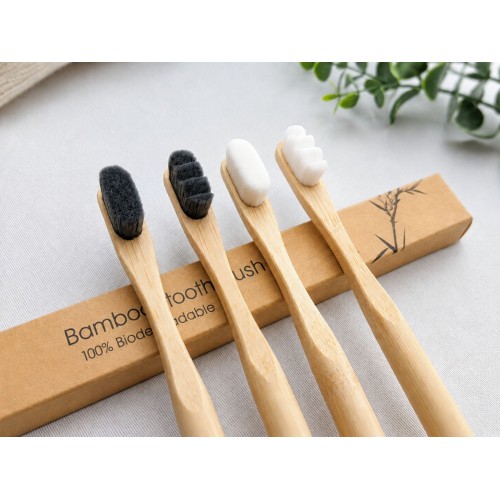
In recent years, bamboo toothbrushes have become one of the most popular alternatives to traditional plastic toothbrushes. The reason is simple – they combine a more eco-friendly approach, excellent hygiene properties, and increasingly advanced bristle technologies that improve the effectiveness of teeth cleaning.
In this article, we will take a detailed look at the benefits of a bamboo toothbrush, how to care for it properly, when it should be replaced, and why modern models such as the bamboo nano toothbrush with 10,000 nano bristles offer a higher level of oral care.
What Is a Bamboo Toothbrush?
A bamboo toothbrush is an alternative to traditional plastic toothbrushes, featuring a handle made from natural bamboo. Bamboo is a fast-growing, renewable resource that requires minimal water and no pesticides to thrive.
While the handle is the eco-friendly component, the real key to effective cleaning lies in the bristles. This is where innovations such as nano bristle technology come into play.
Main Benefits of a Bamboo Toothbrush
1. Eco-Friendly and Reduced Plastic Waste
One of the main reasons people switch to bamboo toothbrushes is the reduction of plastic waste. Traditional toothbrushes are made almost entirely of plastic and can take hundreds of years to decompose.
Bamboo, on the other hand, is:
-
Largely biodegradable
-
A rapidly renewable resource
-
Produced with a lower carbon footprint
2. A More Sustainable Daily Hygiene Choice
Replacing your toothbrush every 2–3 months can result in dozens of discarded plastic toothbrushes per person each year. A bamboo handle significantly reduces this environmental impact.
3. Natural Antimicrobial Properties
Bamboo naturally contains antimicrobial properties that help limit bacterial growth on the handle, although this should never replace proper toothbrush hygiene and maintenance.
4. Lightweight and Comfortable
Bamboo toothbrushes are generally lightweight and comfortable to use, making them suitable for both adults and children.
5. Advanced Bristle Technology
Modern bamboo toothbrushes offer much more than sustainability. They also provide excellent cleaning performance. A great example is the bamboo nano toothbrush with 10,000 nano bristles, which offers:
-
Better surface coverage of each tooth
-
Improved access to hard-to-reach areas
-
Gentler cleaning for gums
-
More effective plaque removal
What Are 10,000 Nano Bristles?
When we talk about a "nano toothbrush," we're referring to extremely fine, densely packed bristles rather than a marketing term.
Traditional toothbrushes contain fewer bristles arranged in larger clusters. Nano toothbrushes feature:
-
Much thinner bristles
-
A significantly higher bristle count (up to 10,000)
-
Greater contact with tooth surfaces during brushing
What Does This Mean in Practice?
-
Less pressure is needed for effective cleaning
-
Reduced risk of gum irritation
-
More detailed cleaning of difficult areas
-
Ideal for people with sensitive teeth
How to Use a Bamboo Toothbrush Properly
Regardless of the type of toothbrush you use, proper brushing technique is essential.
Basic Steps:
-
Apply a small amount of toothpaste.
-
Hold the toothbrush at approximately a 45-degree angle to your gums.
-
Use gentle circular motions.
-
Avoid excessive pressure.
-
Brush for at least two minutes.
-
Do not forget the inner and chewing surfaces of your teeth.
With nano toothbrushes, lighter pressure is often sufficient because the fine bristles already cover a larger cleaning area.
Caring for Your Bamboo Toothbrush
To maximize the lifespan of your bamboo toothbrush and maintain hygiene, follow these recommendations:
1. Rinse Thoroughly After Each Use
After brushing, rinse the toothbrush under running water to remove toothpaste and debris.
2. Store It in a Dry Place
Because bamboo is a natural material, it should not remain damp for extended periods.
Best practices include:
-
Storing the toothbrush upright
-
Avoiding closed, humid containers
3. Allow It to Air Dry
Let the toothbrush dry naturally between uses.
4. Avoid Prolonged Soaking
Do not leave the toothbrush standing in water, as this can damage the bamboo handle over time.
When Should You Replace a Bamboo Toothbrush?
Dentists generally recommend replacing your toothbrush every 2 to 3 months, regardless of the material.
Signs It's Time for a Replacement:
-
Frayed or bent bristles
-
Changes in the color or odor of the handle
-
Reduced cleaning effectiveness
-
After recovering from a cold, flu, or other illness
With bamboo toothbrushes, the handle may remain in good condition longer, but the bristles are the primary factor determining replacement.
Bamboo Toothbrush vs. Plastic Toothbrush
Plastic Toothbrush
-
Usually less expensive
-
Widely available
-
Higher environmental impact
Bamboo Toothbrush
-
More environmentally friendly
-
Made from natural materials
-
Available with advanced bristle technologies
-
More aesthetically pleasing and natural-looking
It's important to note that both types can provide effective cleaning when used correctly. The primary differences lie in sustainability and material composition.
Who Is the Bamboo Nano Toothbrush Suitable For?
A bamboo nano toothbrush with 10,000 nano bristles is ideal for:
-
People with sensitive gums
-
Those seeking a gentler brushing experience
-
Environmentally conscious consumers
-
Individuals with braces or dental restorations
-
Anyone looking for a more detailed and thorough clean
Conclusion
A bamboo toothbrush is more than just a trend—it is a practical step toward a more sustainable and environmentally conscious lifestyle. It combines eco-friendliness, comfort, and advanced cleaning technology.
When paired with innovations such as a bamboo nano toothbrush featuring 10,000 nano bristles, it becomes a product that not only supports the environment but also provides a superior level of oral hygiene.
Regular replacement, proper care, and correct brushing techniques remain the foundation of healthy teeth and gums, regardless of the toothbrush you choose.
Write a comment