


Children’s Oral Hygiene – How to Make Tooth Brushing Fun?
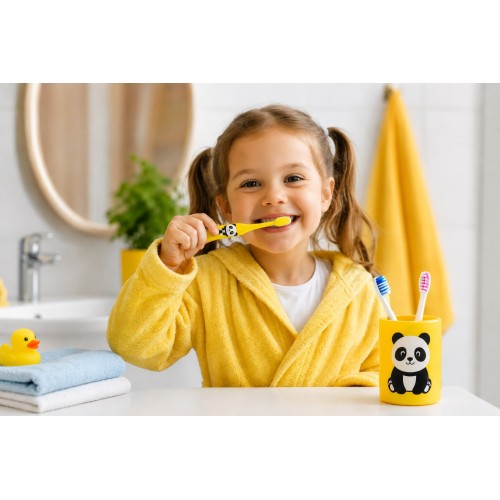
Caring for children’s teeth begins long before the first permanent tooth appears. Building proper habits from an early age is one of the most valuable investments parents can make in their child’s health. However, for many families, brushing teeth becomes a daily struggle – the child refuses, gets distracted, cries, or simply shows no interest.
The good news is that brushing teeth does not have to be a boring chore. With the right approach, a little creativity, and suitable tools, these two minutes can become a fun ritual that children look forward to.
In this article, we will explore why children’s oral hygiene is so important, how to motivate your child to brush regularly, and how choosing the right toothbrush can make a huge difference.
Why is children’s oral hygiene so important?
Baby teeth are often underestimated because of the argument that they will eventually fall out anyway. The truth, however, is quite different.
Healthy baby teeth help with:
-
proper jaw development;
-
normal eating and chewing;
-
correct speech development;
-
maintaining space for permanent teeth;
-
building confidence through a beautiful smile.
Poor oral hygiene can lead to cavities at an early age. Untreated cavities can cause pain, infections, eating difficulties, and may even affect the development of permanent teeth.
That is why specialists recommend cleaning the mouth from the moment the first tooth appears and gradually teaching children to take part in this process themselves.
Why do children refuse to brush their teeth?
Before looking for a solution, we need to understand the reason.
Most often, refusal does not mean that the child does not understand the importance of hygiene. They simply see brushing as something boring that interrupts playtime.
The most common reasons include:
-
lack of interest;
-
an uncomfortable or oversized toothbrush;
-
an unpleasant toothpaste flavor;
-
a desire for more independence;
-
lack of an established routine.
The more enjoyable we make the experience, the less resistance we will encounter.
Create a daily ritual
Children love predictability. When brushing happens every morning after breakfast and every evening before bedtime, it gradually becomes a natural part of the day.
It is important for parents to participate as well. Young children learn through imitation. If they see mom and dad brushing their teeth with enjoyment, they are much more likely to copy the behavior.
Turn brushing into a game
Play is the most powerful tool when raising young children.
Instead of saying: “Go brush your teeth.”
Try: “Let’s see if we can defeat all the sugar monsters!”
You can create a story where the toothbrush is a superhero and bacteria are the villains. While the child brushes different areas of the mouth, they are actually “saving” their teeth.
These types of stories work especially well for children between the ages of 2 and 7.
Use music and a timer
The recommended brushing time is around two minutes.
Instead of your child constantly asking, “Are we done yet?”, use:
-
a favorite song;
-
a musical timer;
-
a sand timer;
-
an app with animations.
This way, the two minutes pass almost unnoticed.
Let your child choose their own toothbrush
When children take part in choosing their toothbrush, they feel a sense of ownership and connection with it.
Fun colors and cute characters can turn an ordinary object into a favorite accessory.
That is why the Panda children’s toothbrush is an excellent choice. The smiling panda character, fresh colors, and comfortable handle make daily dental care a pleasant activity.
In addition to its attractive design, the toothbrush features soft bristles that clean effectively without irritating sensitive children’s gums.
What features should a good children’s toothbrush have?
Not every toothbrush is suitable for young children.
When choosing one, pay attention to several important characteristics:
-
Small brush head
It easily reaches the back teeth and allows for more precise cleaning.
-
Soft bristles
Hard bristles can irritate the gums and make brushing uncomfortable.
-
Comfortable handle
Children are still developing their fine motor skills. An ergonomic handle allows for a more secure grip.
-
Attractive design
The more fun the toothbrush looks, the more often children will want to use it.
The most common mistakes parents make
Sometimes the problem is not the child, but the way we approach the situation.
Some of the most common mistakes include:
-
using threats;
-
punishments;
-
brushing too aggressively;
-
rushing and brushing for less than one minute;
-
skipping evening brushing;
-
lack of parental supervision.
Until around the age of 7–8, children still need help or at least supervision to ensure they have cleaned all their teeth properly.
Small rewards work
Rewards do not have to involve sweets.
You can use:
-
a sticker calendar;
-
badges;
-
an extra bedtime story;
-
a family game;
-
special praise.
After a few weeks, the new habit begins to develop naturally.
When should a children’s toothbrush be replaced?
Most dentists recommend replacing a toothbrush every three months, or sooner if the bristles begin to spread out.
It is also a good idea to replace the toothbrush after an illness to reduce the risk of microorganisms being reintroduced into the mouth.
Good habits start today
Building proper oral hygiene is a process that requires patience, consistency, and a positive approach. Instead of turning brushing into a daily argument, make it a game in which your child participates happily.
The right toothbrush, a pleasant atmosphere, and parents’ personal example can make a huge difference.
If you are looking for a comfortable, practical, and cute children’s toothbrush, the Panda children’s toothbrush is an excellent choice. Its cheerful design, soft bristles, and comfortable shape turn daily dental care into an enjoyable experience for both children and parents.
The most important thing to remember is that a healthy smile begins with small habits developed from the earliest age. Two minutes in the morning and two minutes in the evening are enough to give your child confidence, health, and a beautiful smile for years to come.
Write a comment