


Soft vs. Ultra-Soft Toothbrush: What’s the Difference and How to Choose?
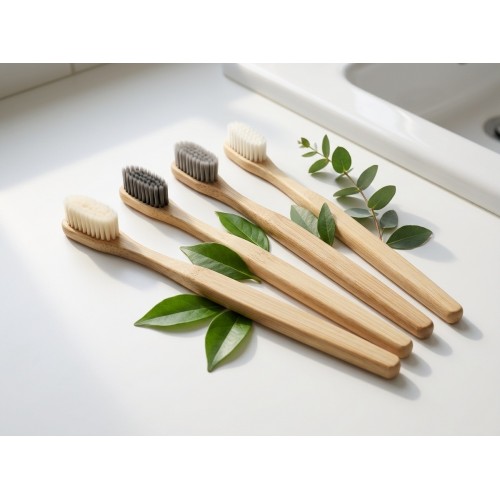
Choosing a toothbrush seems easy until we come across the wide variety of models available in stores. Soft, ultra-soft, medium, with different head shapes and bristle densities – they are all designed for everyday oral hygiene, but they do not provide the same brushing experience.
One of the most common questions is whether to choose a soft or an ultra-soft toothbrush. At first glance, the difference may seem insignificant, but bristle softness affects brushing comfort, gum care and the way we use the toothbrush.
In this article, we will look at how these two types of toothbrushes differ, what their main characteristics are and what to consider when choosing the right model for everyday use.
Why Is Toothbrush Bristle Softness Important?
The main purpose of a toothbrush is to remove accumulated dental plaque and food particles from the surfaces of the teeth and along the gumline.
For this to happen effectively, the bristles need to reach different areas of the mouth without requiring excessive pressure. Bristles that are too firm and aggressive brushing can irritate the gums and contribute to mechanical damage.
This is why soft-bristled toothbrushes are generally recommended. They allow gentler contact with the teeth and gums and reduce the risk of mechanical irritation when used with the correct brushing technique.
However, this does not mean that all soft toothbrushes are the same. Differences in bristle thickness, density, length and arrangement largely determine how a toothbrush feels during use.
What Is a Soft Toothbrush?
A soft toothbrush is one of the most common choices for everyday oral hygiene. Its bristles are flexible enough to provide comfortable cleaning while helping to remove dental plaque.
Its main features include:
-
Flexible bristles: They bend when they come into contact with the teeth and gums, allowing for gentler cleaning.
-
Suitable for everyday use: It can be used morning and evening as part of a regular oral hygiene routine.
-
A balance between comfort and cleaning: When used correctly, it helps remove plaque from accessible tooth surfaces.
-
A variety of designs: Available with different head shapes, bristle arrangements and densities.
A soft toothbrush is a suitable choice for many people who do not have specific gum or dental complaints and are looking for a comfortable tool for everyday care.
It is important to remember that even a soft toothbrush can cause discomfort if used with excessive pressure or incorrect movements.
What Is an Ultra-Soft Toothbrush?
An ultra-soft toothbrush is designed with even finer and more flexible bristles than conventional soft-bristled models. In many of these toothbrushes, the bristles have a smaller diameter and may be arranged more densely.
This creates a gentler sensation when the bristles come into contact with the teeth and gums.
The main features of ultra-soft toothbrushes include:
-
Extremely fine bristles: Provide a softer feeling while brushing.
-
High flexibility: The bristles bend easily when they come into contact with surfaces inside the mouth.
-
Dense bristle arrangement in some models: A large number of fine bristles creates a dense cleaning surface.
-
Gentle contact with the gums: Suitable for people who prefer a gentler feeling during everyday oral care.
Some ultra-soft models have significantly more bristles than standard toothbrushes. This is one of the characteristics of so-called nano toothbrushes, which feature very fine and densely arranged bristles.
Ultra-soft toothbrushes can be a good choice for people who experience discomfort when using standard soft-bristled toothbrushes or simply prefer a gentler cleaning sensation.
However, they are not automatically more effective than all other models. Cleaning quality also depends on brushing technique, brushing time, access to different areas of the mouth and regular toothbrush maintenance.
Soft or Ultra-Soft Toothbrush – What Is the Main Difference?
The most significant difference between the two types is the degree of softness and flexibility of the bristles.
A soft toothbrush has flexible bristles that provide gentle cleaning and are suitable for everyday oral hygiene. It offers a good balance between comfort and cleaning when used with the correct technique.
An ultra-soft toothbrush is designed with even finer and more flexible bristles. In some models, these are arranged more densely, creating a fuller cleaning surface and a gentler sensation when they come into contact with the teeth and gums.
The main difference is most noticeable while brushing. A soft toothbrush provides gentle cleaning, while an ultra-soft one is suitable for people who prefer even gentler contact.
It is important to note that greater softness does not automatically mean better cleaning. The result depends on the quality of the toothbrush, proper brushing technique and regularity.
When Is a Soft Toothbrush a Good Choice?
A soft toothbrush is a practical choice for everyday oral hygiene when you are looking for comfort and effective cleaning with the correct technique.
It may be suitable if:
1. You do not have pronounced gum sensitivity
If regular brushing does not cause discomfort, a standard soft toothbrush may fully meet your needs.
2. You are looking for a toothbrush for everyday use
Soft bristles are a preferred option for regular tooth cleaning without the need for a firmer toothbrush.
3. You prefer a more noticeable brushing sensation
Some people feel more comfortable using a soft toothbrush because they can better sense the contact between the bristles and the tooth surfaces.
It is important not to confuse a more noticeable sensation with applying greater pressure. You do not need to press the toothbrush harder to clean your teeth properly.
When Should You Choose an Ultra-Soft Toothbrush?
Ultra-soft toothbrushes are an alternative for people who prefer the gentlest possible sensation while brushing.
They may be suitable in several situations:
1. If you have sensitive gums
If your gums are easily irritated during brushing, ultra-soft bristles may provide more comfortable contact. However, if you experience regular bleeding, swelling or pain, it is important to consult a dentist rather than simply changing your toothbrush.
2. When you prefer very gentle cleaning
Some people do not like the sensation of standard soft toothbrushes. For them, ultra-soft models may be a more comfortable option for everyday use.
When choosing a toothbrush, you can also consider the handle material. In addition to standard plastic models, bamboo toothbrushes are available, differing mainly in the material used for the handle.
3. If recommended by your dentist
After certain dental procedures or in cases involving specific gum conditions, a dental professional may recommend a toothbrush with a particular level of softness. In such cases, it is best to follow their specific instructions.
It is important to understand that an ultra-soft toothbrush does not replace professional dental care and does not treat inflamed gums. It is an everyday hygiene tool that may make brushing more comfortable.
How to Choose the Right Toothbrush?
Besides bristle softness, there are several other characteristics worth considering.
1. Bristle Density
Bristle density refers to how closely the bristles are arranged on the toothbrush head. Some ultra-soft models have considerably more bristles, forming a dense cleaning surface.
This may create a softer sensation when the bristles come into contact with the gums. However, density alone should not be considered a guarantee of better cleaning.
Different toothbrush models can vary significantly in the number, thickness and arrangement of their bristles. These characteristics largely determine how the toothbrush feels during everyday use.
2. Bristle Thickness and Shape
Finer bristles are generally more flexible. Their shape and the way their tips are finished also affect how they come into contact with the teeth and gums.
When choosing a toothbrush, you can check whether the manufacturer provides information about bristle thickness and characteristics.
3. Head Size
The size of the toothbrush head is important for reaching all teeth, including the back areas of the mouth.
For most adults, a compact head is a practical option because it allows easier manoeuvring and cleaning of hard-to-reach areas.
4. Handle Comfort
The handle should provide a secure grip and good control over brushing movements. If the toothbrush slips or feels uncomfortable to hold, proper cleaning may become more difficult.
Choose a shape that allows you to move the toothbrush comfortably without applying unnecessary force.
How to Brush Properly with a Soft or Ultra-Soft Toothbrush?
Regardless of which type you choose, proper brushing technique is essential.
Here are some basic rules for everyday brushing:
Position the toothbrush at the right angle. Hold the bristles at approximately a 45-degree angle towards the gumline. This helps you clean the areas around the gums as well.
Use gentle movements. Avoid scrubbing forcefully back and forth. Use short, controlled movements, cleaning the different tooth surfaces one by one.
Do not forget the inner surfaces of your teeth. People often pay more attention to the visible front surfaces, but the inner surfaces also need regular cleaning.
Spend enough time brushing. It is recommended to brush your teeth for approximately two minutes, twice a day.
Avoid excessive pressure. Brushing harder does not mean cleaning better. Excessive pressure can irritate the gums and cause mechanical wear on tooth surfaces.
These recommendations apply to both soft and ultra-soft toothbrushes.
How Often Should You Replace Your Toothbrush?
Even the most suitable toothbrush loses some of its effectiveness over time. With regular use, the bristles gradually become deformed, spread apart and lose their original shape.
A toothbrush should be replaced approximately every three to four months, or earlier if the bristles are visibly worn.
There are several signs that it is time for a new toothbrush:
-
The bristles are spread out or bent.
-
The head has lost its original shape.
-
The toothbrush no longer feels comfortable to use.
-
The bristles are visibly dirty or damaged.
After use, rinse the toothbrush with water and leave it upright to dry naturally. Avoid storing it for long periods in closed, damp cases.
Frequently Asked Questions About Soft and Ultra-Soft Toothbrushes
Can an ultra-soft toothbrush remove dental plaque?
Yes. Ultra-soft toothbrushes are designed to clean teeth and can help remove dental plaque. The results depend on the toothbrush design, brushing technique and brushing time.
Are soft toothbrushes suitable for people with sensitive gums?
Soft toothbrushes are generally preferred over medium and hard-bristled models. If you have more pronounced sensitivity, you can discuss using an ultra-soft toothbrush with your dentist.
Should we use a different toothbrush in the morning and evening?
No. One suitable toothbrush is generally sufficient for both morning and evening oral hygiene. Regular brushing and proper technique are more important.
Can a soft toothbrush damage the gums?
With excessive pressure and incorrect movements, even a soft toothbrush can contribute to mechanical irritation. This is why it is important to use gentle movements and avoid pressing the bristles too firmly against the teeth.
Which Toothbrush Should You Choose?
The choice between a soft and an ultra-soft toothbrush depends on your individual preferences, gum condition and how the toothbrush feels during everyday brushing.
A soft toothbrush is a versatile choice for many people, while an ultra-soft toothbrush offers even gentler contact and may be preferred by those looking for maximum comfort.
The most important thing is to choose a toothbrush that feels comfortable, allows you to reach all tooth surfaces and can be used with the correct technique. Remember that brushing twice a day, using a suitable fluoride toothpaste and cleaning between your teeth are important parts of a complete oral hygiene routine.
If you are unsure which type is most suitable for you, consulting a dentist can help you make an informed choice.
Write a comment