


Zero Waste in the Kitchen: Small Steps with a Big Impact
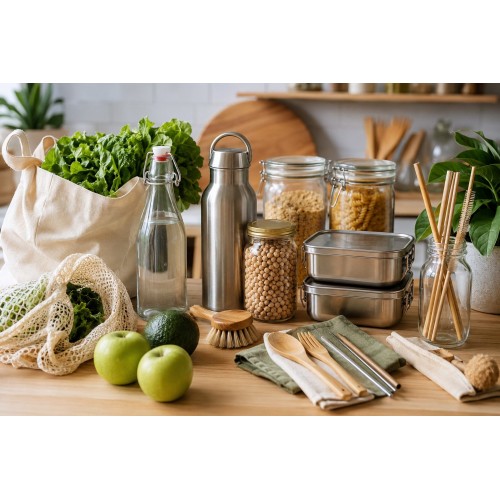
The kitchen is one of the places in our homes where the most waste is generated—food packaging, plastic bags, leftover ingredients, disposable utensils, and items we use only briefly before throwing away. The good news is that it is also one of the easiest places to make meaningful changes toward a more sustainable lifestyle.
The Zero Waste concept does not mean throwing away everything you already own or achieving perfection from day one. Instead, it is about gradually reducing unnecessary waste through more conscious choices. Even small changes in daily habits can have a significant long-term impact—not only on the environment but also on your household budget.
What Does Zero Waste in the Kitchen Mean?
A zero-waste kitchen is an approach focused on reducing the amount of waste we generate by:
- shopping more consciously;
- making the most of every product;
- avoiding unnecessary packaging;
- replacing disposable items with reusable alternatives;
- recycling correctly;
- composting suitable organic waste.
The main idea is simple: before throwing something away, ask yourself whether it can be reused, repaired, repurposed, or avoided altogether by making a better purchasing decision.
1. Start with Small Changes Instead of a Complete Transformation
One of the biggest mistakes people make when switching to a more sustainable lifestyle is trying to change everything at once. They buy numerous "eco-friendly" products, replace all their kitchenware, and feel discouraged if everything isn't perfect immediately.
The truth is quite different.
The most sustainable choice is often to continue using what you already own until it reaches the end of its useful life. Only then should you gradually replace it with more environmentally friendly alternatives.
For example:
- Instead of immediately throwing away all your plastic containers, keep using them until they wear out.
- Replace the disposable items you use most frequently first.
- Introduce one new sustainable habit every week.
Small actions, repeated consistently, create the greatest long-term impact.
2. Avoid Excessive Packaging When Shopping
Packaging is one of the largest sources of kitchen waste. Many products come wrapped in multiple layers of plastic that are used for only a few minutes but remain in the environment for decades.
Here are a few simple solutions:
Use Reusable Shopping Bags
Reusable fabric bags are one of the easiest lifestyle changes you can make. They can be used hundreds of times and are convenient for both grocery shopping and everyday errands.
Choose Products with Less Packaging
When deciding between two similar products, consider:
- the amount of plastic used;
- whether the packaging is recyclable;
- glass or paper packaging;
- products without individual wrapping.
Buy Dry Goods in Bulk
Rice, nuts, legumes, spices, and many other pantry staples can often be purchased in bulk and stored in glass jars.
This not only reduces packaging waste but also keeps your kitchen more organized.
3. Replace Disposable Products with Reusable Alternatives
Many kitchen waste items come from products designed for single use.
Here are some easy swaps:
Plastic Water Bottles → Glass or Stainless Steel Bottles
Instead of continuously buying bottled water, invest in a reusable water bottle.
Glass bottles are ideal for home and office use, while stainless steel bottles are perfect for sports, travel, and everyday activities.
Paper Towels and Napkins → Reusable Kitchen Cloths
Washable kitchen towels and cloths can replace a large portion of disposable paper products. They are easy to clean, long-lasting, and significantly reduce household waste.
Plastic Straws → Metal or Bamboo Straws
Plastic straws are used for only a few minutes but remain in the environment for many years.
Reusable metal or bamboo straws offer a practical and eco-friendly alternative for enjoying drinks at home, at work, or on the go.
4. Store Food Properly to Reduce Food Waste
A significant portion of kitchen waste isn't packaging—it's food.
Various studies show that large amounts of purchased food are discarded simply because they are stored incorrectly or forgotten in the refrigerator.
Here are a few helpful habits:
Plan Your Grocery Shopping
Before heading to the store:
- check what you already have;
- prepare a shopping list;
- buy only what you realistically expect to use.
Organize Your Refrigerator
Place products with the shortest shelf life at the front so they are used first.
Use Proper Storage Containers
Glass containers and jars are excellent for storing:
- leftovers;
- prepared meals;
- dry goods;
- spices.
They are durable, easy to clean, and can last for many years.
5. Give Food a Second Life
Many ingredients that seem like waste can actually be reused.
For example:
Vegetable Scraps
Peels, stems, and vegetable trimmings can be used to make:
- homemade vegetable stock;
- soups;
- sauces.
Stale Bread
Instead of throwing it away, stale bread can become:
- croutons;
- breadcrumbs;
- the base for a variety of recipes.
Overripe Fruit
Soft fruit can be transformed into:
- smoothies;
- baked desserts;
- homemade jams.
A zero-waste kitchen often starts with a little creativity.
6. Compost: Turn Waste into a Valuable Resource
Organic kitchen waste such as:
- fruit and vegetable peels;
- coffee grounds;
- tea leaves;
- eggshells;
can be transformed into nutrient-rich compost.
If you have a garden, composting is an excellent way to create natural fertilizer for your plants.
For apartment dwellers, there are several alternatives, including:
- compact home compost bins;
- vermicomposting systems (worm composting);
- local food waste collection programs
7. Invest in High-Quality Kitchen Products
Sometimes the most environmentally friendly choice is to buy fewer items—but choose higher-quality ones.
Cheap products that wear out quickly often create more waste over time.
When selecting kitchen accessories, look for:
- durable materials;
- reusable designs;
- easy maintenance;
- natural materials.
For example, bamboo products, glass containers, and stainless steel kitchen accessories generally last much longer than disposable alternatives.
8. Create a Zero-Waste Corner in Your Kitchen
There's no need to redesign your entire kitchen overnight. Start with a dedicated area that includes:
- glass jars for bulk foods;
- reusable shopping bags;
- reusable food storage containers;
- a refillable water bottle;
- reusable kitchen towels.
When these items are easily accessible, you're much more likely to use them every day.
9. Small Habits Create Big Results
Zero waste is not a competition, nor does it require perfection. What matters most is moving in the right direction.
Here are a few simple actions you can start today:
✔️ Bring your own shopping bag.
✔️ Use a reusable water bottle.
✔️ Avoid products with excessive packaging.
✔️ Store food properly.
✔️ Get creative with leftovers.
✔️ Gradually replace disposable products.
✔️ Buy only what you truly need.
A more sustainable kitchen isn't created overnight. It's built through everyday decisions—what we buy, how we use it, and what we leave behind.
Every reusable bottle, every shopping bag used again, every meal saved from being wasted, and every piece of plastic avoided makes a difference.
Living a zero-waste lifestyle doesn't mean sacrificing convenience. It means using resources more wisely and creating less waste through small, consistent actions.
Because when many people make small changes, together they create a big impact on our planet.
Write a comment